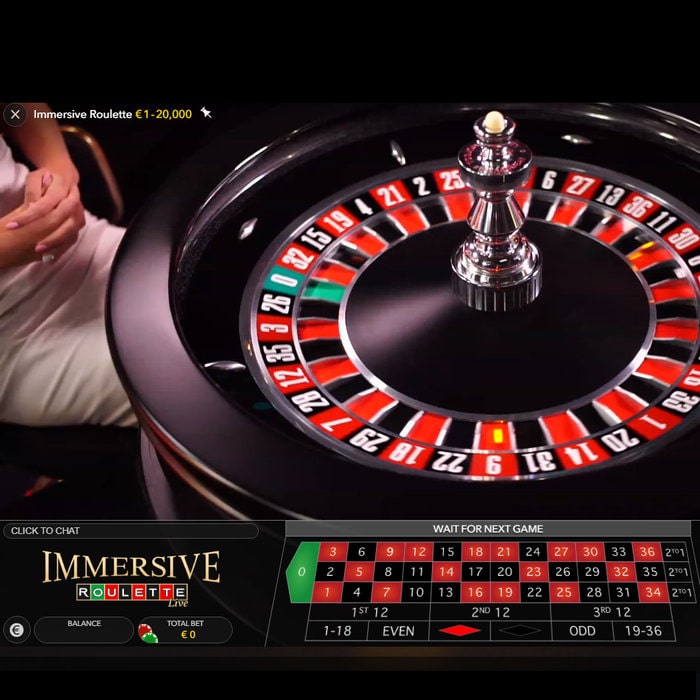
As soon as I set up an account at Casino Whamoo App, I understood this platform was tailored with New Zealand players in mind. The welcome screen greeted me with a sleek user-friendly layout and before I even put my first bet, I saw the currency selector proudly displaying New Zealand dollars. That small but powerful detail immediately told me that Whamoo Casino prioritizes transparency, ease and the local gaming community. This article is my own exploration of how the casino’s currency and language choices elevate the entire experience for Kiwi punters.
Comprehensive List of Available Currencies at Whamoo Casino
I was genuinely pleased when I explored the cashier and discovered a extensive lineup of accepted currencies that exceeds the usual big three. Whamoo Casino doesn’t restrict Kiwi players into a single foreign form; instead, it offers us the freedom to add money, play, and take out using a currency that makes sense for our wallets. Whether you prefer traditional fiat money or the seamless efficiency of cryptocurrency, the platform is ready for you. Here’s the complete roster I uncovered during my session.
- New Zealand Dollar (NZD)
- Australian Dollar (AUD)
- United States Dollar (USD)
- Canadian Dollar (CAD)
- Euro (EUR)
- British Pound (GBP)
- Bitcoin (BTC)
- Ethereum (ETH)
- Litecoin (LTC)
- Tether (USDT)
Seeing Bitcoin and Ethereum alongside NZD in the same dropdown really thrilled me, because it shows that Whamoo Casino is innovative. I’ve employed crypto for casino transactions previously, and the speed and anonymity it delivers are second to none. Having the option to move between a Kiwi wallet and a crypto wallet under one roof removes the need for numerous accounts. I also noticed that Tether was available, which is ideal for anyone wanting the reliability of a U.S. dollar peg while still benefiting from blockchain perks.
What impressed me about the fiat currency selection is how nicely it aligns to the Pacific region. The listing of AUD and NZD side by side shows Whamoo Casino recognizes the Trans‑Tasman community, and offering CAD, USD, EUR, and GBP encompasses practically every major banking channel Kiwis could use. This well-planned selection means I wasn’t forced to sacrifice on deposit speed or deal with a currency difference when depositing my account from my ANZ or Westpac card.
The reason Currency Choice Matters for New Zealanders
Playing in New Zealand dollars isn’t just about familiarity; it revolves around financial control. If I play with NZD, I see my balance, bets, and winnings in a currency I manage every day, so I avoid perform mental conversions while chasing a hot streak. This clarity helps me concentrate on the game and prevents that jarring moment when I review my bank statement only to discover a disappointing exchange rate applied after the fact. Whamoo Casino erases that friction entirely.
The majority of international casinos force Kiwis to deal in US dollars or euros, which layers on conversion fees and fluctuating rates. I’ve experienced that frustration firsthand: a winning session could feel diminished because the displayed amount didn’t match what landed in my bank account. At Whamoo, the native NZD support means every wager is a direct reflection of my actual spending power. That is a subtle perk, but it creates trust from the first deposit.
Beyond the psychological comfort, opting for a local currency also brings pragmatic advantages. I avoid dynamic currency conversion charges imposed by some card issuers, and I can better manage my gambling budget because I am monitoring figures in dollars I understand natively. When I define a deposit limit in NZD, I recognize precisely how much I am dedicating, without any guesswork. That responsible gaming edge is something I truly value.
Another angle I did not realize until I started playing regularly was how NZD support affects bonus wagering requirements. Some casinos change bonus credits into a base currency and then back, distorting playthrough progress. At Whamoo, wagering tracked in real NZD, so I was able to view exactly how much more I needed to wager before my bonus funds became withdrawable. That transparency converted grinding into a clear mission, enhancing my confidence.
Deposit Options Matched to Your Preferred Currency
One of the standout benefits of Whamoo Casino’s multi‑currency system is how each supported payment method pairs naturally with a specific denomination. For Kiwi players, POLi is the undisputed champion, enabling me to deposit directly from my New Zealand bank account in NZD with zero conversion. I’ve used it several times, and the funds appear in my wallet more rapidly than it takes to brew a flat white. There’s no need to juggle a third‑party e‑wallet that might default to euros.
When I want to fund my Bitcoin wallet, I easily generate a unique deposit address and transfer from my external crypto wallet. The blockchain confirmation is remarkably quick, and Whamoo credits the balance after just one network confirmation for most coins. I’ve also deposited using USDT via the TRC‑20 network, and the low fees made micro‑wagering feasible. The platform supports card payments via Visa and Mastercard for those who prefer traditional routes, and those deposits automatically match my chosen currency, whether CAD or EUR.
E‑wallets like Skrill and Neteller add another layer of flexibility. I linked my Skrill account denominated in USD, and during deposit, Whamoo detected the currency and asked if I wanted to hold it in a USD balance or convert to my primary NZD wallet. I opted to maintain a separate USD wallet to leverage a progressive jackpot that required dollar bets, and the whole process was transparent. This alignment between payment rail and casino wallet minimises the hidden fees that so often spoil a withdrawal.
I also explored bank transfer withdrawals and was satisfied to discover that Whamoo processes NZD withdrawals to New Zealand bank accounts without forcing an intermediary currency hop. The bank wire arrived within two business days, and the amount matched my cashier request to the cent. That integrity, combined with the ability to withdraw crypto directly to my external wallet, gave me full control over how I withdraw. It’s unusual to find a casino that respects both fiat and crypto on equal footing.
In what manner Seamless Language Switching Enhances the Player Experience
I’ve played at casinos where changing languages causes a full reload, but Whamoo uses a modern approach. When I toggled from English to French, the interface transformed in place without a white screen. The bet slip updated its labels, and my roulette game carried on. That frictionless switch kept me immersed, which is crucial when I’m in the zone.
Another minor but powerful detail I noticed was that my account balance and game history retained their currency formatting irrespective of the display language. So even when I’m browsing in Finnish, my NZD balance presents the familiar dollar sign and decimal separator, not a euro conversion. This consistency across languages means I can experiment different interfaces for a fresh feel without concern about misreading my bankroll. It’s a small touch that speaks volumes about Whamoo’s user‑centric design philosophy.
The language selector sits persistently in the header, so I never had to search through labyrinthine menus to find it. I could toggle mid‑spin on a pokie just to see how the button labels vary, and then effortlessly switch back. This convenience also accommodates households where multiple users use a device; my flatmate, who is more comfortable with French, could play without modifying my default English setting because the preference is tied to the login rather than the device. That multi‑user intelligence is smart.
I also discovered that the live chat support offered language‑specific assistance. When I posed a question while the interface was set to German, the support agent welcomed me in German and answered flawlessly. While I’m a native English speaker, testing this built my confidence that non‑English speakers aren’t left struggling. Whamoo Casino clearly views its language feature as a fully supported service, not a gimmick. That’s the kind of dynamic inclusivity I appreciate to see.
Language Settings: More than English
When I first visited Whamoo Casino, the site displayed crisp, idiomatic English, which is just what I thought as a Kiwi. But eager to see how the platform serves international guests, I looked through the account settings and came across a language menu that truly amazed me. Besides English, I could toggle the entire casino interface to German, French, Norwegian, Finnish, and several other European tongues. For a platform that feels distinctly Kiwi in its promotions, this linguistic depth is a welcome bonus.
I changed the interface to German just to test how complete the translation was, and I was amazed. Every menu label, bonus term, game rule, and even the live chat prompt appeared in fluent, context‑aware German without any corrupted machine translation artefacts. I do not know German natively, but I had a friend from Berlin verify, and he verified the grammar was spot‑on. That attention to detail suggests Whamoo Casino invests in professional localisation rather than using cheap auto‑translate tools.
Although English is the main language for Kiwi players, the presence of Chinese and Japanese options caught my eye. New Zealand has a vibrant Asian community, and many players prefer navigating high‑stakes blackjack tables in their mother tongue. I even saw that some game providers, like Evolution Gaming, offer live tables with dealers who use those languages, and Whamoo Casino’s interface aligns perfectly, adjusting in‑game text dynamically. It’s a seamless marriage of language and content.
I’d really appreciate a dedicated Māori language option in the future to celebrate Aotearoa’s heritage even more, but the current selection already exceeds what most casinos offer. The inclusion of Scandinavian languages also suggests Whamoo’s broader international ambitions. For me, the key takeaway was that no matter who logs in, the experience can be customised to feel native, which promotes comfort and confidence while wagering real‑money wagers.
Handling Various-Currency Wallets and Balances
When I initially loaded my account with New Zealand dollars, I assumed I’d be limited with that currency. Whamoo Casino surprised me with its multi‑currency wallet architecture. I could keep an NZD balance for pokies and a separate euro wallet for live dealer promotions. The wallet panel is located right in the lobby, refreshing in real time. That dual‑currency flexibility is a rare find.
Switching between balances seems magical. I select my currency badge, pick a denomination from the dropdown, and the entire casino interface adjusts my balance and bet sizes instantly. There’s no need to log out or reload. I experimented by switching from my NZD balance into a Bitcoin wallet, and within a second I was trying a crypto slot with my satoshi balance displayed on the reels.
One detail I really like is that each currency balance remains segregated, so I can monitor my spending in each denomination separately. This structure prevented me from accidentally using through my crypto stash while planning to play with New Zealand dollars. The transaction history also sorts by currency, offering me clear visibility for tax or budgeting purposes. For a player who prefers to keep recreational gambling strictly arranged, this feature is a true game‑changer.
I also tried with depositing in a currency that was separate from my active play wallet. Whamoo Casino shows a conversion dialogue that presents the live exchange rate and requests for my confirmation before proceeding. That openness removed any uncertainty about how much I’d lose in the switch, and because I had already linked my POLi account, the entire process was effortless. It’s evident the platform’s wallets were built by people who actually gamble online.
No Concealed Charges: Comprehending Currency and Exchange Rules
Charge openness can determine the success of an online casino journey, and I approached my Whamoo Casino testing with a good measure of scepticism. I purposely deposited NZD into my NZD wallet and took out back to my bank account without any temporary currency change. The amount credited to my ASB account was matching the amount I pulled out of the casino, down to the last cent. That’s a clean, no‑fee round trip that left me genuinely elated.
Interested in in‑house conversions, I moved a small amount from my NZD wallet into my euro wallet using the built‑in exchange function. The platform displayed the exact exchange rate, obtained from a reputable mid‑market provider, with a modest margin of less than one percent. I liked that the rate was locked at the moment of confirmation, so I wasn’t exposed to slippage. Relative to the 3‑5% hidden markups I’ve experienced at other casinos, Whamoo’s approach appeared refreshingly fair.
When I added money using my Visa card in USD while my primary wallet was NZD, the cashier provided a real‑time conversion with the rate clearly shown. I had the choice to continue or to set up a separate USD wallet. I opted to create the USD balance, and the card issuer’s own conversion rate was applied to the transaction, but Whamoo itself added no additional levy. That transparency meant I could make an informed decision every time I added to my account, rather than being hit with hidden costs unknowingly.
Cryptocurrency conversions, naturally, rely on network conditions, but Whamoo did not slap on a surcharge beyond the network fee when I moved funds between my BTC and USDT wallets. I tracked the transaction on a blockchain explorer and saw that the exchange rate matched major spot prices within a tight spread. While I’d still suggest using the same currency for deposits and withdrawals to reduce conversion events, I’m at ease knowing that if I have to pivot, the platform won’t rip off me.