
Imagine you’re maneuvering a popular online casino in New Zealand, and you notice how effortlessly you can toggle between games using just your keyboard. This innovation is a obvious result of Mafiacasino Reload focus states, which emphasize accessibility for all users. But how exactly do these focus states improve the gaming experience, and what benefits do they bring to keyboard users? Let’s explore the pivotal role they play in building a more accessible environment.
How Focus States Enhance User Experience
When gamers engage with Mafia Casino in focus states, they often find that the experience is tailored to their preferences, considerably enhancing overall enjoyment. These focus states create a seamless interface that prioritizes players’ needs, catering to their specific input methods. You’ll notice more fluid navigation, allowing you to switch between games effortlessly and access features without hassle. This streamlined approach not only boosts your gaming efficiency but also reduces frustration, leading to longer, more immersive sessions. The visual feedback provided during focus states keeps you informed, ensuring you’re never left guessing your current options. By embracing this forward-thinking design, Mafia Casino elevates gaming, fostering an inclusive environment that truly champions user experience. Try it, and revel in a more engaging adventure!
Developers’ Role in Promoting Inclusivity
Mafia Casino’s success in New Zealand highlights how essential developers are in fostering inclusivity across gaming platforms. You’ve got the power to design user-friendly interfaces and cutting-edge features that cater to diverse user needs. By including accessibility from the initial concept, you can create seamless experiences for players with varying abilities. This means improving keyboard navigation, ensuring sharp visual contrasts, and providing adjustable options that improve usability. Engaging with the community is vital, too; gathering feedback helps you refine tools and find solutions that authentically resonate. If developers emphasize inclusivity, you’ll not only expand your audience but also cultivate a more engaging and fun gaming environment. Together, we can transform what it means to be accessible in the gaming world.

The Significance of Accessibility in Gaming
When you consider gaming, accessibility is essential to ensuring everyone can experience the experience. Accessible game design and keyboard navigation can open doors for players with varied needs, making gaming more engaging for all. By enhancing user experience, you not only draw a wider audience but also build a more welcoming community.
Universal Game Design
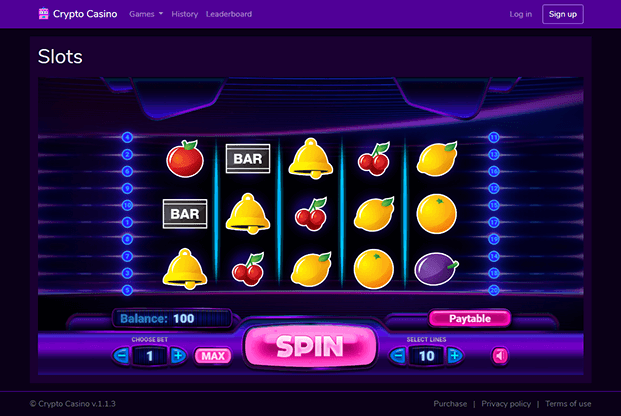
Although numerous people appreciate gaming, not everyone has the same experience due to different abilities, which is why universal game design is vital. You are entitled to to immerse yourself in gaming worlds where you’re not limited by physical constraints or cognitive barriers. Welcoming inclusivity means developing features that everyone can engage with, whether it’s modifiable controls, visual aids, or audio cues that augment gameplay. Creativity thrives in environments where diverse perspectives are esteemed, extending boundaries and designing experiences that connect with all players. By supporting universal game design, we can change gaming into a platform that embodies creativity and accessibility. The future of gaming is bright, and you have a important role in forming it for everyone.
Keyboard Navigation Benefits
While a lot of players enjoy immersive experiences, the significance of keyboard navigation can’t be dismissed, especially for those with diverse abilities. Integrating efficient keyboard controls into your gaming design can encourage inclusivity, making sure every player can experience the game fairly. You’ll find that keyboard navigation facilitates quicker and more precise movements, augmenting gameplay without the irritation of contending with complicated controls.
Enhancing User Experience
Accessibility in gaming isn’t just a luxury; it’s a requirement that markedly enhances user experience. When you incorporate accessible design, you’re not only opening doors for players with disabilities, but you’re also enhancing the overall enjoyment for everyone. Imagine user-friendly controls, versatile interfaces, and adaptive gameplay, all tailored to guarantee seamless navigation for every user. Inclusive features like voice commands, customizable settings, and clear visual cues create an captivating environment that keeps players coming back for more. By prioritizing accessibility, you spark innovation, inviting a broader audience to join the gaming community. Embracing this mindset not only enriches user experience but also drives industry growth, making it a win-win for developers and gamers alike. Let’s push the boundaries of what’s possible!
Understanding Mafia Casino Focus States
When it comes to grasping Gangster Casino focus states, you need to recognize how particular regions prioritize and govern online gambling. In these states, the evolution of gaming regulations is essential for fostering creative practices. You’ll find that regulatory frameworks are designed to respond and adapt to new trends, ensuring gaming environments are both enticing and conforming. Focus states often pioneer the charge in integrating technology, improving player experience through features like streamlined user interfaces and secure payment options. This method isn’t just about compliance; it’s about creating a lively landscape where innovation thrives. By grasping these regulatory details, you can better appreciate the connection between regional regulations and the growth of online gaming in Mobster Casino’s ecosystem.
Case Studies: Successful Implementation in New Zealand
As Mafia Casino continues to grow its reach, New Zealand stands out as a prime example of how concentrated states can be successfully executed to enhance player engagement. By prioritizing accessibility, key innovations allow keyboard users to move seamlessly. For instance, easy-to-use keyboard shortcuts empower users to quickly reach their favorite games, improving the overall experience.
Two specific case studies show this success: one, a popular slot game revamped for keyboard navigation; and the second, a live dealer experience improved with accessible controls. Both initiatives received positive feedback, increasing player satisfaction and retention rates. These examples demonstrate how concentrated strategies not only meet diverse needs but also drive engagement, positioning New Zealand as a leader in inclusive gaming innovation.
Future Prospects for Accessible Gaming Solutions
As technology evolves, you’ll likely see innovative gaming alternatives that accommodate all players. By incorporating inclusive design principles and user-friendly interfaces, developers can make gaming more accessible than ever. It’s an promising time for the industry, and the future looks bright for everyone involved.
Groundbreaking Gaming Technologies
While the casino industry has long been associated with traditional gaming experiences, cutting-edge technologies are leading to accessible gaming solutions that serve a wider audience. You’ll find cutting-edge tools like augmented reality, which creates interactive environments, and voice recognition systems, allowing players to engage without physical barriers. Machine learning algorithms boost user experiences by personalizing game recommendations based on individual preferences. This means that everyone, irrespective of physical ability, can experience the thrill of gaming. Additionally, blockchain technology guarantees secure transactions while increasing trust in gaming operations. As these advancements continue, you’ll see a evolution in how games are conceived and delivered, making the gaming landscape more accessible and pleasurable for all players.
Accessible Design Principles
To create authentically accessible gaming solutions, developers must embrace comprehensive design principles that cater to all players’ needs. This means integrating adjustable features from the beginning, ensuring that interfaces and gameplay mechanics are adjusted to support different abilities. Consider using personalizable settings for audio, visual, and tactile feedback, so everyone can engage comfortably. Prioritizing readable fonts, contrasting colors, and intuitive navigation helps create an captivating experience without isolating players with disabilities. It’s essential to involve diverse user testing groups in the design process, gathering feedback to refine interfaces continually. By committing to universal design principles, developers will not only boost accessibility but also foster innovation, opening up gaming to a larger audience and driving a more welcoming gaming culture.
User-Centric Interfaces
When designing user-focused interfaces for accessible gaming solutions, it’s essential to prioritize the player’s experience from the start. You’ll want to create user-friendly layouts that ease navigation and enhance engagement, ensuring every player, regardless of their abilities, feels included. Utilizing supportive technologies, such as voice commands and customizable controls, can revolutionize the gaming experience, making it welcoming.
Think about incorporating bright visuals and legible typography that capture attention without overwhelming the user. Prioritizing quick loading times and responsiveness will keep players involved, as delays can obstruct enjoyment. By continuously gathering user feedback and iterating on design, you’ll advance and improve access in gaming, setting the stage for a more inclusive future where every player can thrive.